

Care & Maintenance
How to clean suede UGG boots? Stains, drying & care
Dusty toes, scuffed heels and water rings can make a favourite pair of suede UGG boots look tired. Before reaching for a wet cloth, take a closer look: a pale patch may be flattened fibres, while a darker area could still be damp.
Learning how to clean suede UGG boots starts with identifying the mark and choosing a gentle method. This guide focuses on standard suede uppers, including brushing, stain care and restoring the texture after drying. For lining care and odour removal, see our broader guide, How to clean UGG boots?
Quick answer: Brush loose dirt from dry suede first. If further cleaning is needed, patch-test a compatible cleaner and follow its instructions, keeping moisture controlled. Reshape the boots, let them air-dry completely, then brush the surface gently. Always check the care label, especially on boots with decorative or coated finishes.
What kind of mark is on your suede UGG boots?
Look at the boots in natural light before choosing a treatment. Notice whether the mark feels greasy, has a defined edge or changes appearance when you lightly brush the fibres.
Suede has a fine, raised surface called the nap. Its direction affects how light reflects from the material, so a change in shading does not always mean a stain.
| What you see | First action | What to avoid |
|---|---|---|
| Loose dust | Gently brush the dry surface | Wetting boots unnecessarily |
| Wet mud | Let the mud dry before brushing | Rubbing wet mud into the suede |
| A light scuff | Brush gently and reassess | Scrubbing repeatedly in one spot |
| A fresh water spill | Blot excess with a clean white cloth | Rubbing or applying heat |
| A ring left after drying | Check the approved cleaning method | Repeatedly soaking the centre |
| Fresh oil or grease | Blot excess gently with a dry cloth | Spreading the mark by rubbing |
| Ink or dye transfer | Seek specialist advice | Trying household solvents |
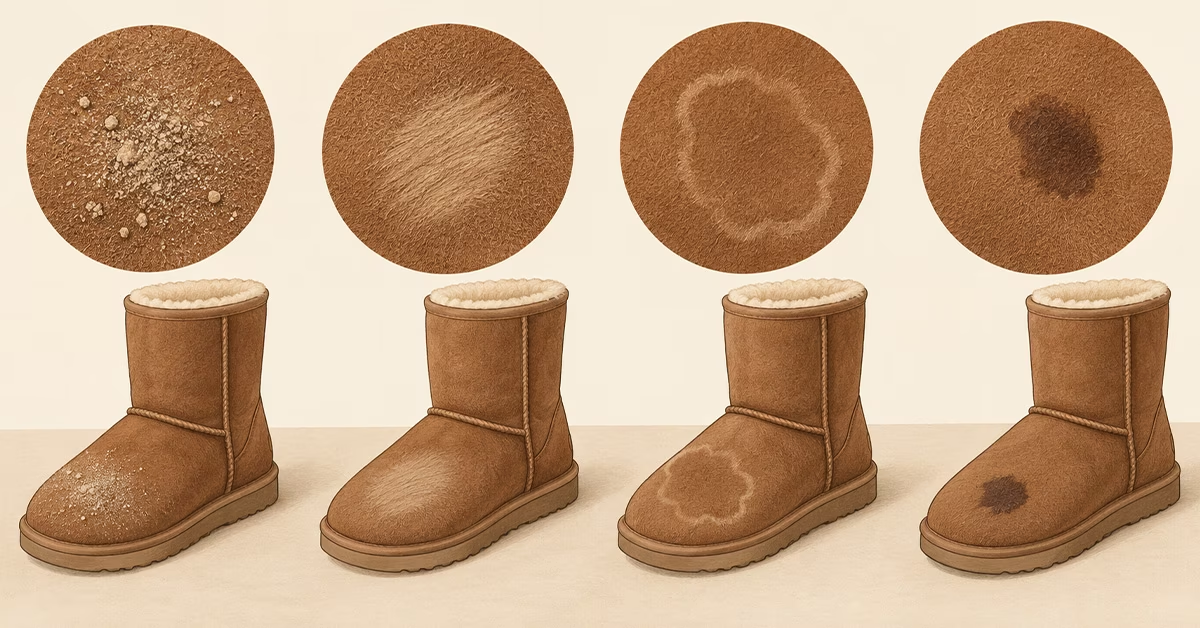
Mud and fresh spills need different responses. Leave wet mud alone until it can be brushed away, but blot fresh liquid gently to remove excess from the surface. Avoid pressing so hard that you push it further into the material.
Prepare your suede boots before cleaning
Check the finish and care instructions
Confirm the upper material using the product information or care label. Suede describes a leather surface with a soft nap; sheepskin describes a hide with its wool attached. A sheepskin boot can have a suede outer finish, so both terms may appear in its care information.
Metallic coatings, printed finishes, glued decorations and contrasting leather panels may need different treatment. If the material or finish is unclear, ask the retailer or manufacturer before applying a cleaner.
Gather a few suitable tools
Keep these within reach:
- A soft suede brush.
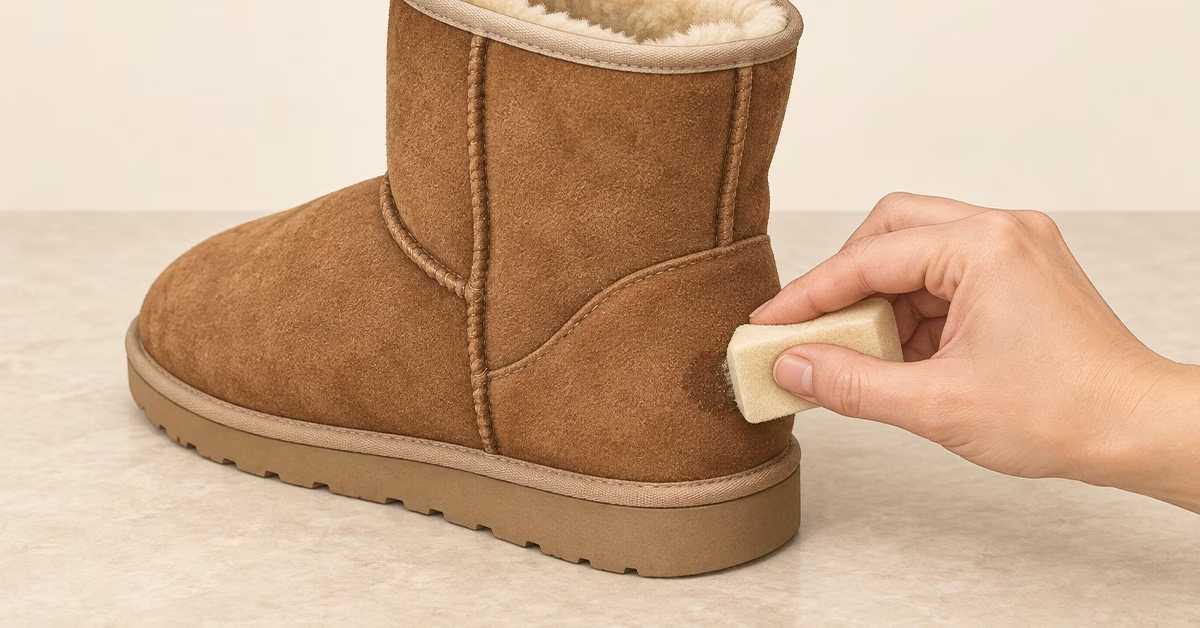
- A compatible suede eraser for light surface marks.
- A cleaner labelled for the relevant suede or sheepskin footwear.
- A soft sponge and white, lint-free cloth.
- Clean, cold water.
- Plain white paper for holding the boots’ shape.
A complete cleaning kit is optional. What matters is whether each product suits your boots. Ordinary shoe polish or conditioner intended for smooth leather should not be treated as a suede-care substitute.
Patch-test and let the test area dry
Test the cleaner on a small, discreet area, following its preparation instructions. Allow that area to dry fully before comparing it with the surrounding suede.
Check for a lasting colour change, noticeable dye transfer or a change in texture. If you see an unwanted result, stop and seek advice instead of applying the product more widely.
How to clean suede UGG boots step by step?
Start with the dry methods below. If brushing removes the dirt and the suede looks even, there is no need to continue to wet cleaning. Steps involving water and cleaner apply only where the boots’ care instructions permit them.
Step 1: Brush away loose dirt
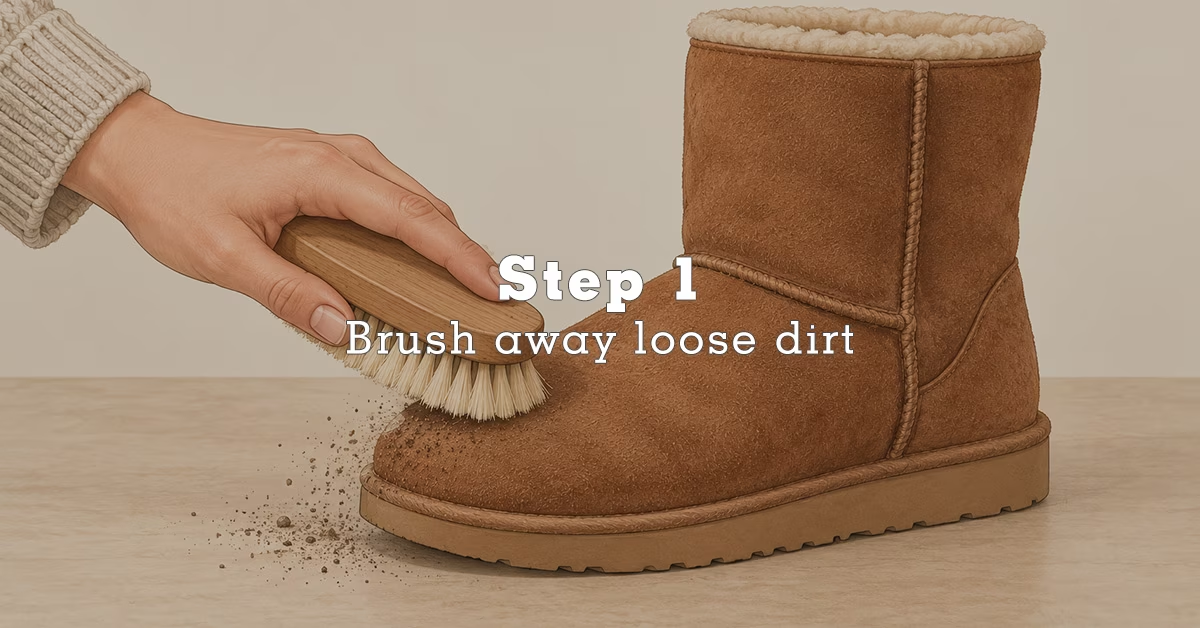
Make sure the suede is dry. If there is mud on the upper, wait until it has dried before loosening it gently with a soft suede brush.
Use light strokes across the surface, including the toe and heel. Around seams, work carefully without pushing the bristles under stitching or catching decorative details.
Pause and inspect the boot. If a patch changes shade when the fibres move, it may be a difference in nap direction. Give it a few gentle strokes rather than treating it immediately as a stubborn stain.
Step 2: Treat light surface scuffs
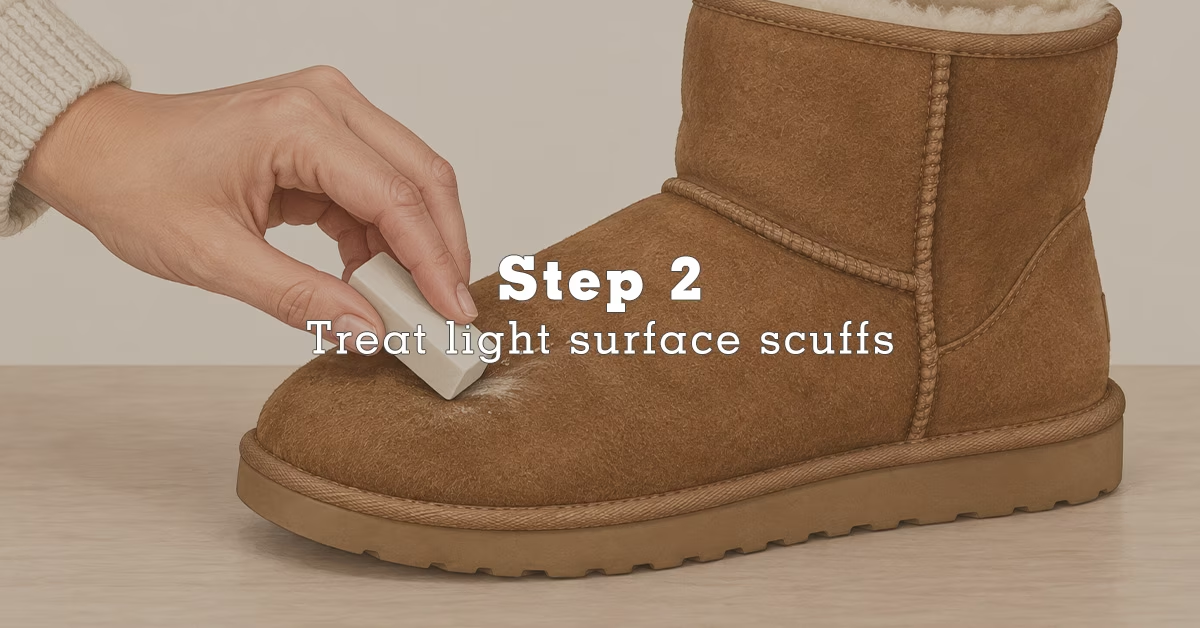
Try gentle brushing first. For a remaining surface mark, a suede eraser may help if it is suitable for the finish.
Use light pressure on dry suede, following the eraser’s instructions. Brush away the crumbs and check the result before doing more. Avoid using a coloured stationery eraser as an improvised substitute.
Stop if the area becomes unusually fuzzy, thinner or visibly lighter. Repeated rubbing can turn a minor mark into noticeable surface wear.
Step 3: Lightly dampen the suede if your cleaner requires it
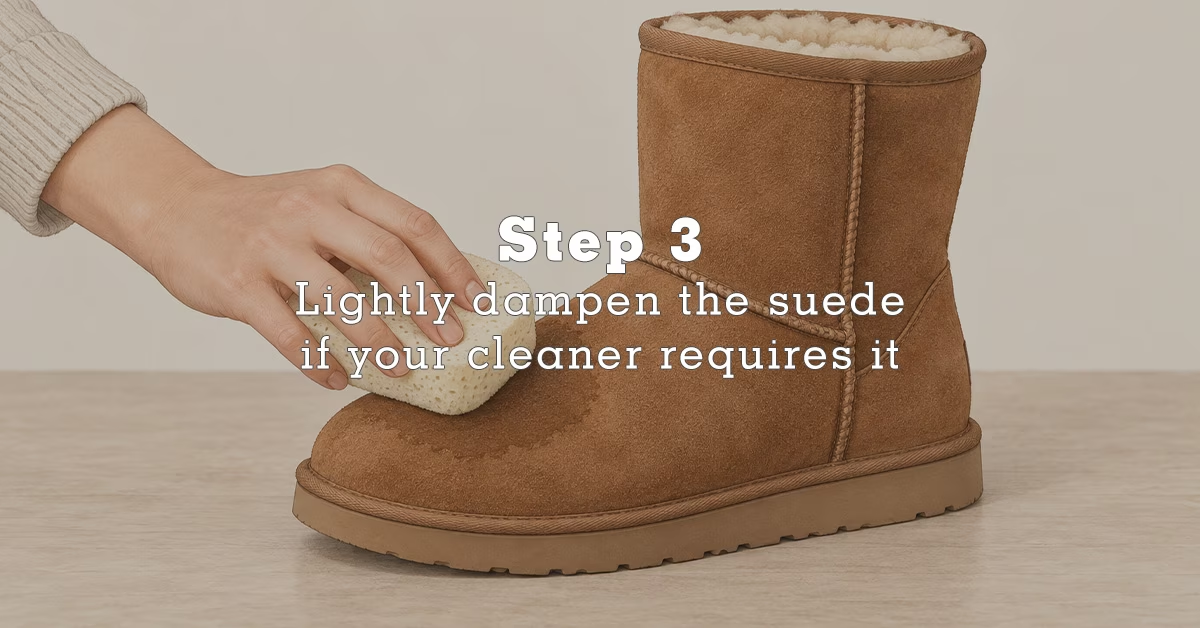
Read the cleaner’s label before adding water. Some products require a damp surface; others use a different application method.
Where dampening is instructed, use a clean sponge with controlled moisture. It should not drip when lifted. Work evenly over the area specified by the product, keeping excess moisture away from the lining and trims.
Avoid treating a tiny spot with repeated splashes. Follow the recommended coverage rather than trying to flood a mark away.
Step 4: Apply the cleaner gently
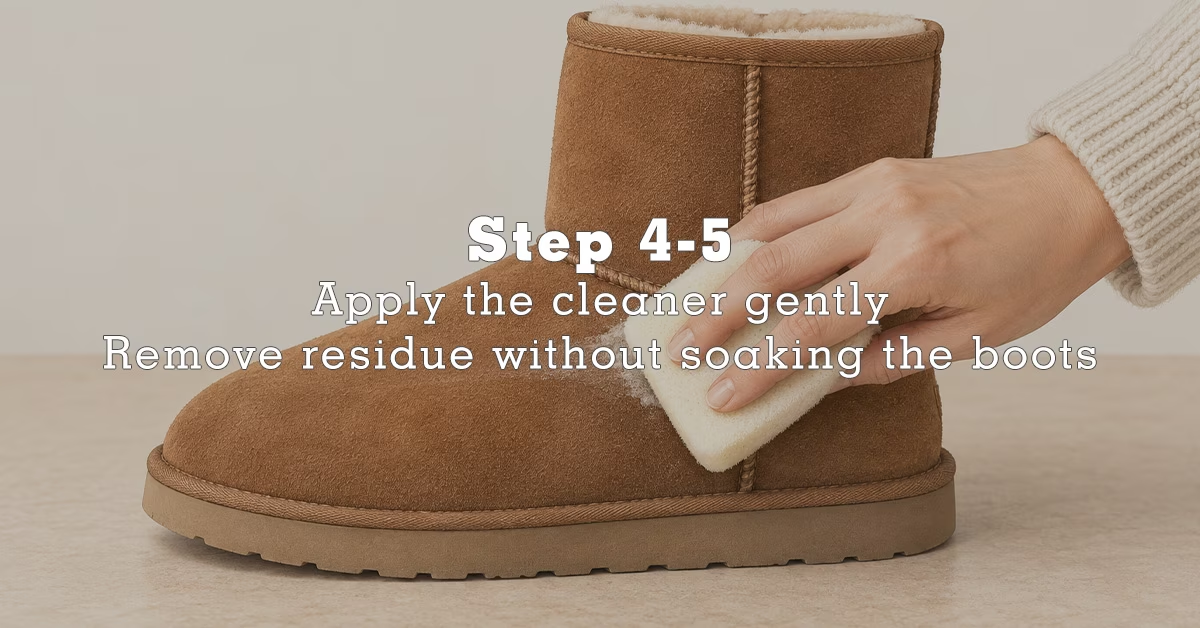
Prepare the cleaner exactly as directed. Do not assume that the dilution ratio for one product applies to another.
Use the recommended sponge or cloth method and light, controlled movements. Avoid pouring cleaner onto the boot unless the product specifically requires direct application. UGG’s sheepskin cleaner instructions, for example, specify applying the prepared solution with a sponge and avoiding aggressive scrubbing.
Work patiently rather than pressing harder on the darkest part of the stain. Stop if you notice substantial colour transfer or a deteriorating finish. Do not mix cleaners or add household products to strengthen the solution.
Step 5: Remove residue without soaking the boots
Follow the cleaner’s removal instructions. Where a damp sponge is recommended, use a fresh, lightly damp one to lift away residue.
Rinse the sponge separately and squeeze out excess water before continuing. Replace it if it stays dirty, so you are not wiping loosened dirt back onto the suede.
Check for remaining foam or obvious product build-up. Avoid immersing the boots or holding them under a running tap as a shortcut.
Step 6: Reshape and leave to dry naturally
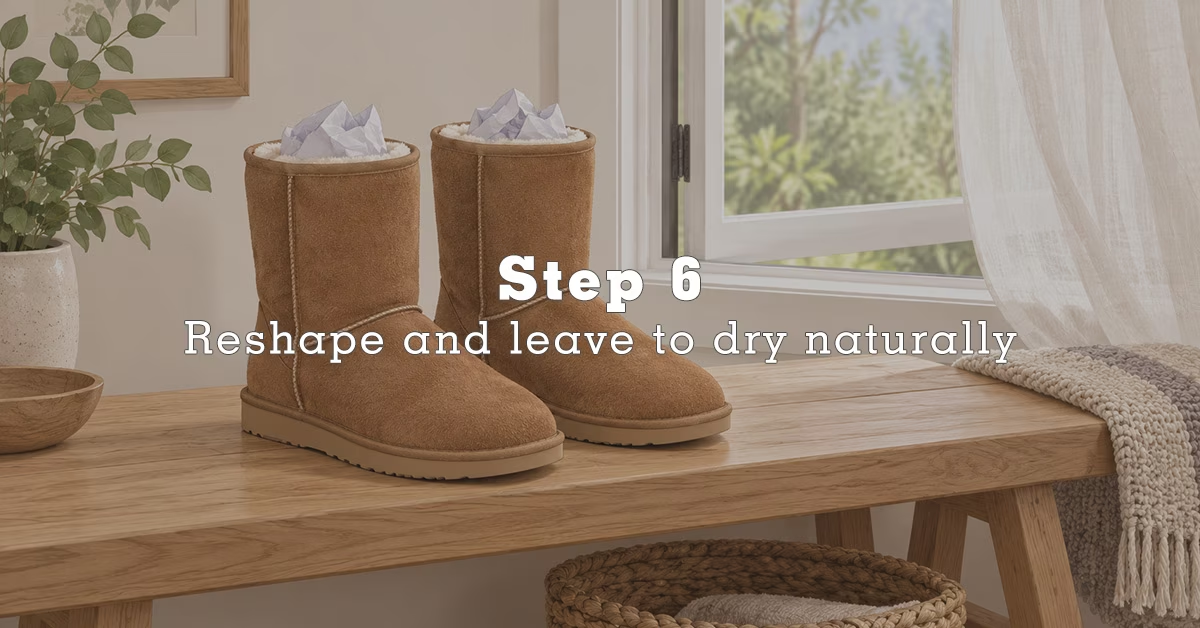
Lightly fill the boots with plain white paper to support their shape. Use enough to hold the upper upright without stretching it. Avoid printed paper that could transfer ink.
Stand the boots in a cool, well-ventilated place, away from direct sunlight and heat. Do not use a hairdryer, heater or tumble dryer to hurry the process.
For its Cleaner & Conditioner method, UGG specifies at least 24 hours of natural drying. Allow longer if necessary, and check that the lining is also dry before wearing the boots.
How to handle stubborn stains on suede UGG boots?
If a mark remains after the boots have dried, identify it before repeating the cleaning process. More moisture and pressure are not automatically the answer.
Water rings and tide marks
Damp suede often looks darker, so wait until it is fully dry before judging the result. A persistent ring or defined edge needs a different assessment from temporary damp shading.
Check whether the approved cleaner provides instructions for water marks and even treatment of the surrounding area. Avoid repeatedly wetting the centre or scrubbing along the ring.
If one careful treatment leaves the mark unchanged, seek advice before trying another product.
Oil and grease stains
Blot fresh excess with a clean, dry white cloth. Lift the cloth between touches instead of wiping across the stain, and avoid adding water automatically.
For further treatment, choose a product explicitly suitable for both the stain and the footwear material, or consult a specialist. A general suede cleaner may not be intended for oily marks.
Household powders and dishwashing liquid are not universally suitable substitutes. Older, absorbed oil stains may remain visible even after professional attention.
Salt marks, ink and dye transfer
Salt marks may appear after a snow trip or contact with treated paths. Check with the manufacturer about a compatible treatment before using a salt remover.
For ink or colour transferred from clothing, avoid experimenting with alcohol, nail polish remover or other solvents.
Ask for a footwear specialist experienced with suede and sheepskin, and confirm that their method suits the care label. Do not assume ordinary garment dry cleaning is appropriate. Cleaning can improve some marks, but it cannot guarantee reversal of every colour change.
How to restore the suede texture after cleaning?
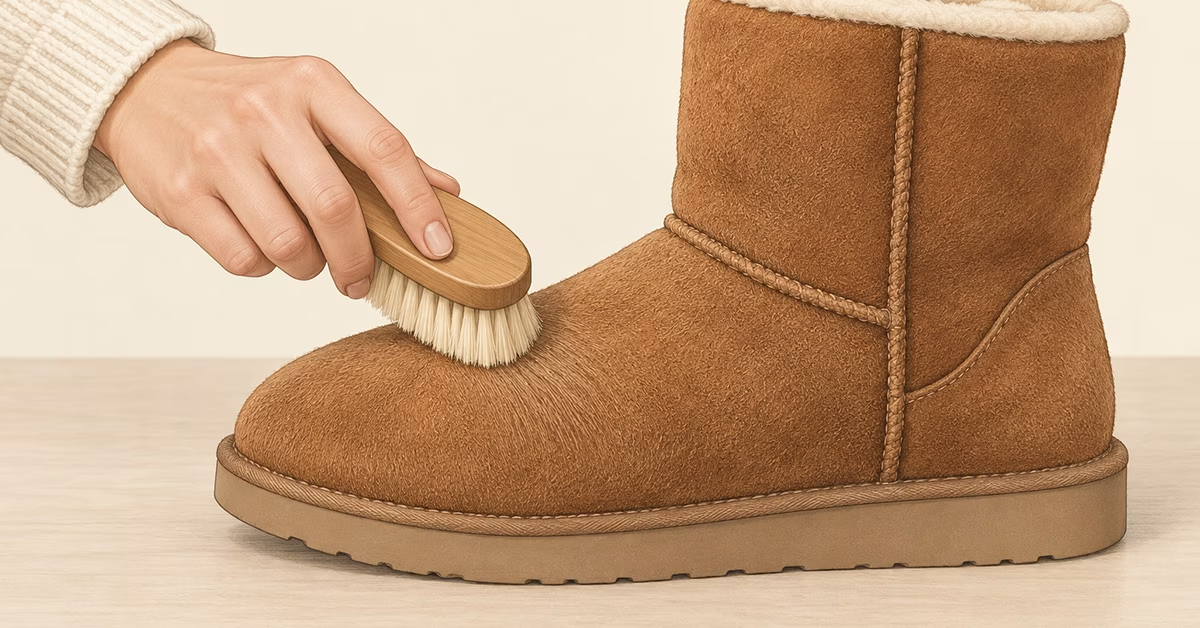
Brush the nap once the boots are fully dry
Remove the paper and gently brush the dry surface with a very soft suede brush. Use light strokes in one direction to give the fine fibres a more consistent appearance.
Work across the panel instead of repeatedly brushing one small patch. UGG includes this gentle, post-drying brushing step in its sheepskin care guidance.
Check whether a patch is a stain or flattened fibres
View the boots in natural light. Lightly brush the affected area and see whether the shading changes as the fibres move.
A patch that blends in after brushing may have been flattened nap. A mark that stays in the same position, particularly one with a defined edge, may need further assessment.
Do not keep wetting the boot simply because the surface looks different from one angle.
Know when to stop cleaning
Stop if the suede starts thinning, shedding fibres or losing colour. Avoid scraping hardened areas or using abrasive tools to force the texture back.
If the boot remains stiff or noticeably discoloured once dry, get advice before another treatment. Brushing can rearrange existing fibres, but it cannot replace suede that has worn away.
Protect the suede after it has dried
If the care label allows it, choose a protector compatible with the specific suede or sheepskin finish. Patch-test first and follow the product’s directions for ventilation, coverage and drying time.
Apply it only when the boots are clean and fully dry. Allow the treatment to dry for the stated period before wearing them.
A protector does not automatically make suede boots waterproof. UGG notes that water resistance varies between styles, so check your pair’s product information rather than relying on appearance.
Between cleans, brush away surface dust and air the boots after wear. Put them away only once they are fully dry.
FAQs about cleaning suede UGG boots
Can you clean suede UGG boots without a kit?
Yes, you can use suitable individual tools instead of buying a complete kit. A soft suede brush may be enough for loose dust. Light scuffs may respond to a compatible eraser. If the boots need further cleaning, choose a product approved for their material rather than an improvised household mixture.
Can you clean suede UGG boots with water alone?
Water is not suitable for every stain. A lightly damp sponge may be part of an approved cleaning method, but water alone will not address every type of dirt or oily mark. Avoid soaking the upper or repeatedly wetting one spot. Follow the boots’ care label and the cleaner’s instructions.
Can you use vinegar or washing-up liquid on suede UGG boots?
Do not assume either is suitable. Suede finishes, dyes and boot constructions vary, and a household recipe does not establish compatibility with your pair. Use a cleaner recommended for the material, patch-test it and follow its directions. If the manufacturer approves a particular alternative, follow those specific instructions.
Why do my suede UGG boots look darker after cleaning?
They may still be damp, or the nap may be lying in a different direction. Let the boots dry completely, then brush gently and inspect them in natural light. If the darker area remains, residue or a persistent stain may be involved. Avoid immediately repeating the wet-cleaning process.
Can you use the same method on black and chestnut suede UGG boots?
Possibly, if both pairs have compatible materials, finishes and care instructions. Colour alone does not determine the method. Patch-test each pair separately and check for dye transfer or lasting changes after drying. A cleaner that worked on chestnut suede should not automatically be assumed suitable for another finish.
Gentle care starts with choosing the right response to the mark. Brush first, use a compatible cleaner only when needed and give the boots time to dry before assessing the result. For a pair purchased from UGGAUS, check its product care information or contact us if you are unsure about the material.